Don't forget to return to your survey
and get your discount!
What Is a Male Cannabis Plant and Why Does It Matter?
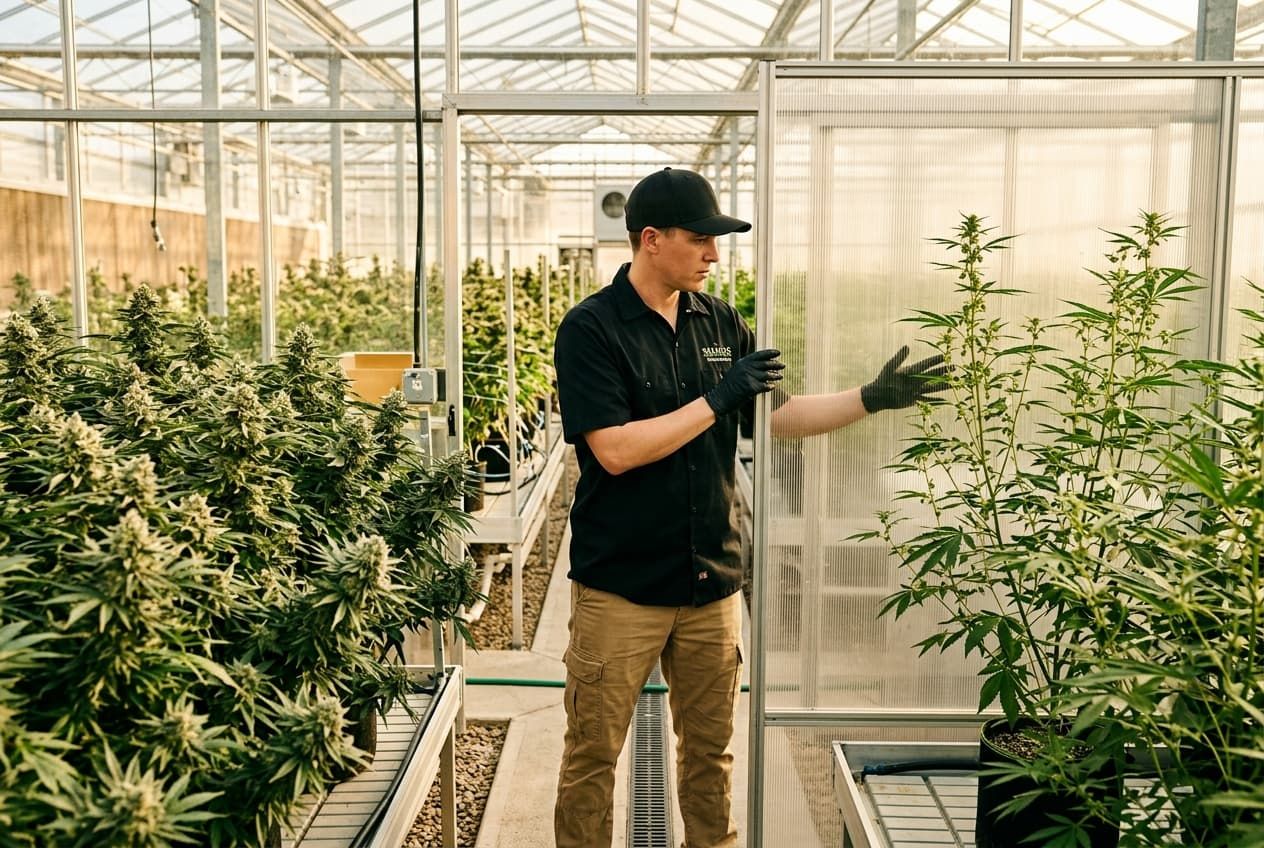
The quality of cannabis you buy is decided long before it reaches your door. One of the most important factors is something most buyers never think about. Whether the plant that grew it was male or female.
Male cannabis plants don't produce the resin-rich, cannabinoid-dense buds behind the products on any dispensary menu. Left unmanaged in a grow, they actively reduce the quality of the plants that do. This article breaks down what male plants are, how they differ from females, and why it matters to every purchase you make.
What Is a Male Cannabis Plant?
Cannabis produces separate male and female plants. Female plants produce the resin-rich, cannabinoid-dense buds behind every product on a cannabis menu. Male plants produce pollen.
A male weed plant develops pollen sacs at the joints where branches meet the stem. When mature, those sacs release pollen into the air to fertilize nearby female plants. They generate minimal resin, no meaningful cannabinoid content, and nothing a consumer would want to buy.
Their significance lies entirely in what they do to the female plants growing alongside them.
Male vs Female Cannabis Plant: What's the Difference?
The difference between a male and female cannabis plant comes down to what each one produces. Both develop at the nodes, the points where branches connect to the main stem, but what grows there tells you everything.
Female Cannabis Plants
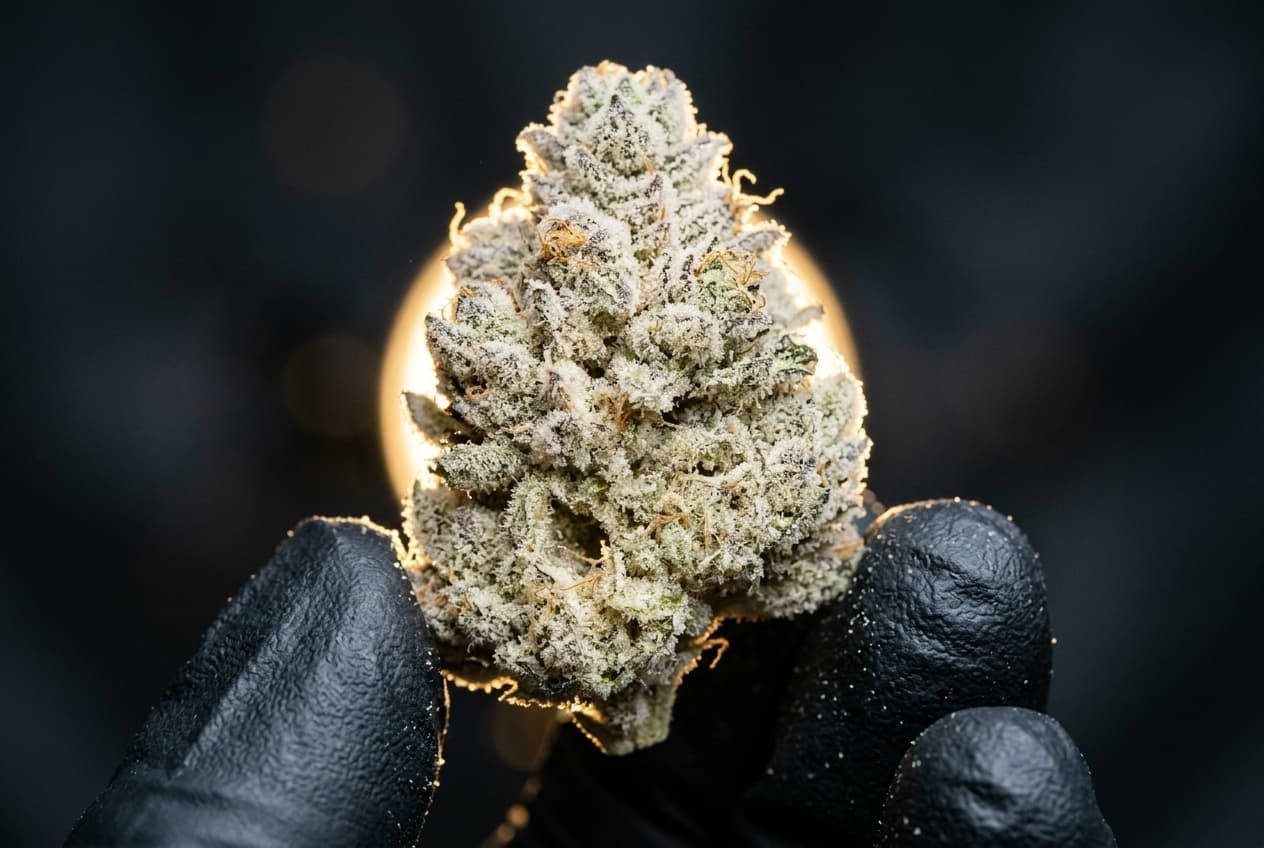
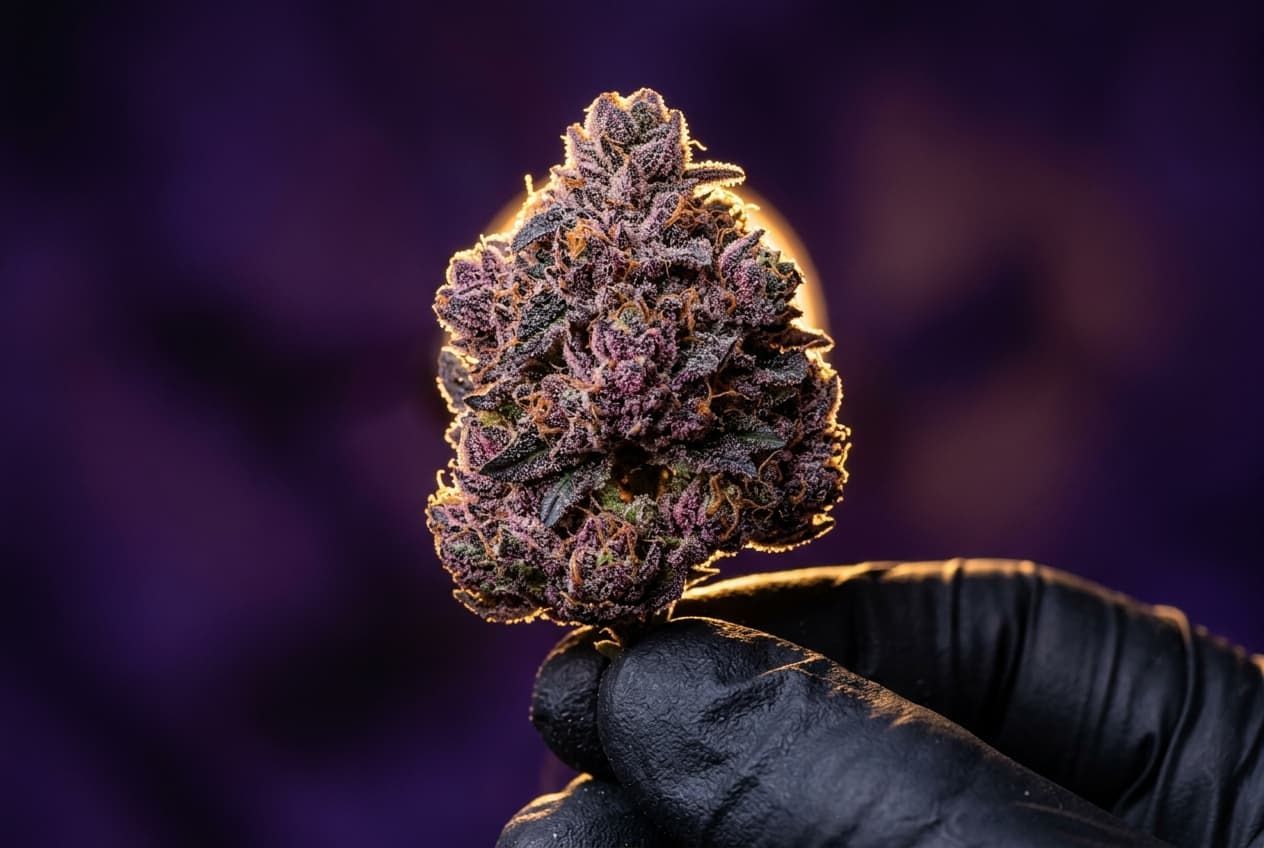
Female plants develop pistils at the nodes, small hair-like structures that emerge from a teardrop-shaped calyx. Without pollination, females channel their energy into producing dense, resin-rich buds coated in trichomes, where THC, CBD, and terpenes are concentrated.
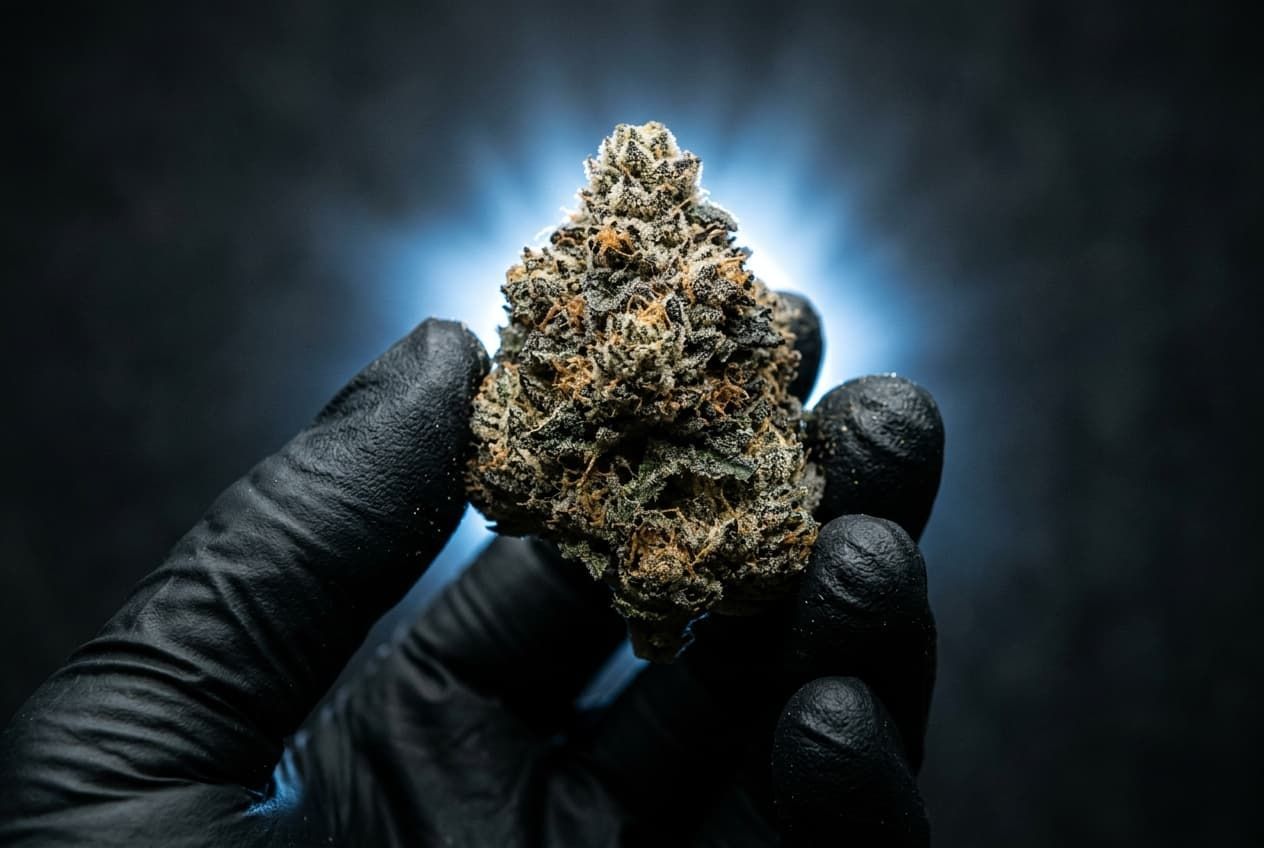
A healthy female plant in late flower looks almost frosted, covered in sticky, crystal-like glands. This is the plant behind every flower, concentrate, and edible on a cannabis menu.
Male Cannabis Plants
Male plants develop pollen sacs at the same nodes. These look like small, smooth clusters, sometimes described as resembling a tiny bunch of grapes.
They appear earlier in the growing cycle than female flowers, often within the first week or two of the flowering stage. Male pollen sacs produce little resin and almost no cannabinoids.
Hermaphrodite Plants
Some cannabis plants develop characteristics of both sexes, a condition called hermaphroditism. This is most common under stress conditions such as irregular light cycles or physical damage. If it happens, remove the plant immediately before pollination occurs.
READ: How to Order Cannabis Delivery in Oak Park for the First Time?
Why Male Plants Matter to the Quality of What You Buy
Male plants don't just fail to produce quality flower. Their presence actively works against the plants that do. Here's why it matters.
- Pollination triggers a quality drop. When a male pollinates a female, the female redirects its energy from resin production to seed production, resulting in lower-potency, harsher cannabis.
- Cultivators remove male plants early. This is called a sinsemilla grow. Keeping female plants pollen-free allows them to build maximum resin and cannabinoid content through the full flowering cycle.
- One male plant can compromise an entire crop. Pollen travels through the air, meaning a single undetected plant can pollinate every female in the grow space.
- It is why licensed sourcing matters. Every cultivator supplying Fiori Delivery follows this standard, which is why the potency and consistency of every product are reliable.
READ: Glitter Bomb Cannabis Effects and Terpenes: What Makes It Hit Different
What Seeded Cannabis Looks and Feels Like
Seeded cannabis is recognizable once you know what to look for, both visually and in the experience it delivers.
What it looks like:
- Round, dark-colored seeds nestled inside the buds, often with a tiger-stripe pattern on the shell
- Less dense buds with fewer trichomes than quality sinsemilla flower
What it feels like:
- Burns unevenly and often pops or crackles when lit, caused by moisture in the seeds
- Harsher smoke and duller flavor, lacking the terpene complexity of quality flower
- Lower potency per gram, as the plant redirected energy to seed production rather than resin
This is a common characteristic of unregulated or gray market cannabis, and a key reason why buying from a licensed source matters.
Are Male Plants Completely Useless?
Not at all. Male cannabis plants have a legitimate role in the broader cannabis ecosystem, just not in the flower you are buying.
Breeders rely on male plants intentionally. When a cultivator wants to develop a new strain, they select male plants with desirable genetic traits and introduce them to female plants to produce seeds. Without male plants, breeders couldn't develop new genetics, and the strain diversity consumers enjoy today wouldn't exist.
Hemp cultivation also uses male plants. Male hemp plants contribute to fiber production, which is used in textiles, paper, and building materials.
Male plants matter. They are just doing their most valuable work somewhere other than the grow room where your flower comes from.
What This Means for You as a Buyer
Understanding the role of male cannabis plants doesn't just satisfy curiosity. It gives you a clearer picture of what goes into the products you buy and why sourcing from licensed, professional cultivators matters.
The difference between a seeded, low-potency product and a clean, high-potency one often comes down to how well a grow was managed at this stage.
At Fiori Delivery, every product on our menu comes from licensed California cultivators who manage their grows to the highest standards, so you don't have to wonder about quality.
Browse our menu and get same-day delivery in Sacramento.
Frequently Asked Questions
Can you smoke a male cannabis plant?
Technically yes, but it is not worth it. Male plants produce very little THC or resin, so the experience is underwhelming at best. The flower consumers buy comes exclusively from female plants.
Do male cannabis plants produce THC?
In very small amounts, yes, but not at levels that produce any meaningful effect. Female plants are responsible for the cannabinoid-rich buds that make up virtually all consumer cannabis products.
How early can you identify a male cannabis plant?
Male plants typically reveal their sex during the early flowering stage, usually within the first one to two weeks after a grow shifts to a flowering light cycle. Pollen sacs appear at the nodes before female plants show their pistils.
What happens if a male plant pollinates a female?
The female plant shifts its energy from resin and bud production to seed production. The resulting cannabis is seeded, lower in potency, and significantly lower in quality.
Why do growers remove male cannabis plants?
Growers remove male plants to protect female plants from pollination and ensure they continue producing the high-potency, seedless flower that makes up quality cannabis products.
Is all cannabis seedless?
All licensed, quality cannabis sold through regulated dispensaries and delivery services should be seedless. Seeded cannabis is a sign of poor grow management or an unregulated source, both of which affect potency and overall quality.
What is sinsemilla cannabis?
Sinsemilla refers to seedless cannabis, produced by keeping female plants completely isolated from male pollen during their growing cycle. It is the standard for all quality commercial cannabis and the reason licensed flower is consistently more potent than what you might find through unregulated channels.
Can a single male plant ruin an entire crop?
Yes. A single male plant that goes undetected long enough to release pollen can pollinate every female plant in the same grow space. That is why professional cultivators monitor plants closely during the early flowering stage and remove males immediately once they identify them.
Don't forget to return to your survey
and get your discount!
SHARE