Don't forget to return to your survey
and get your discount!
THCP vs THC: What’s the Difference?
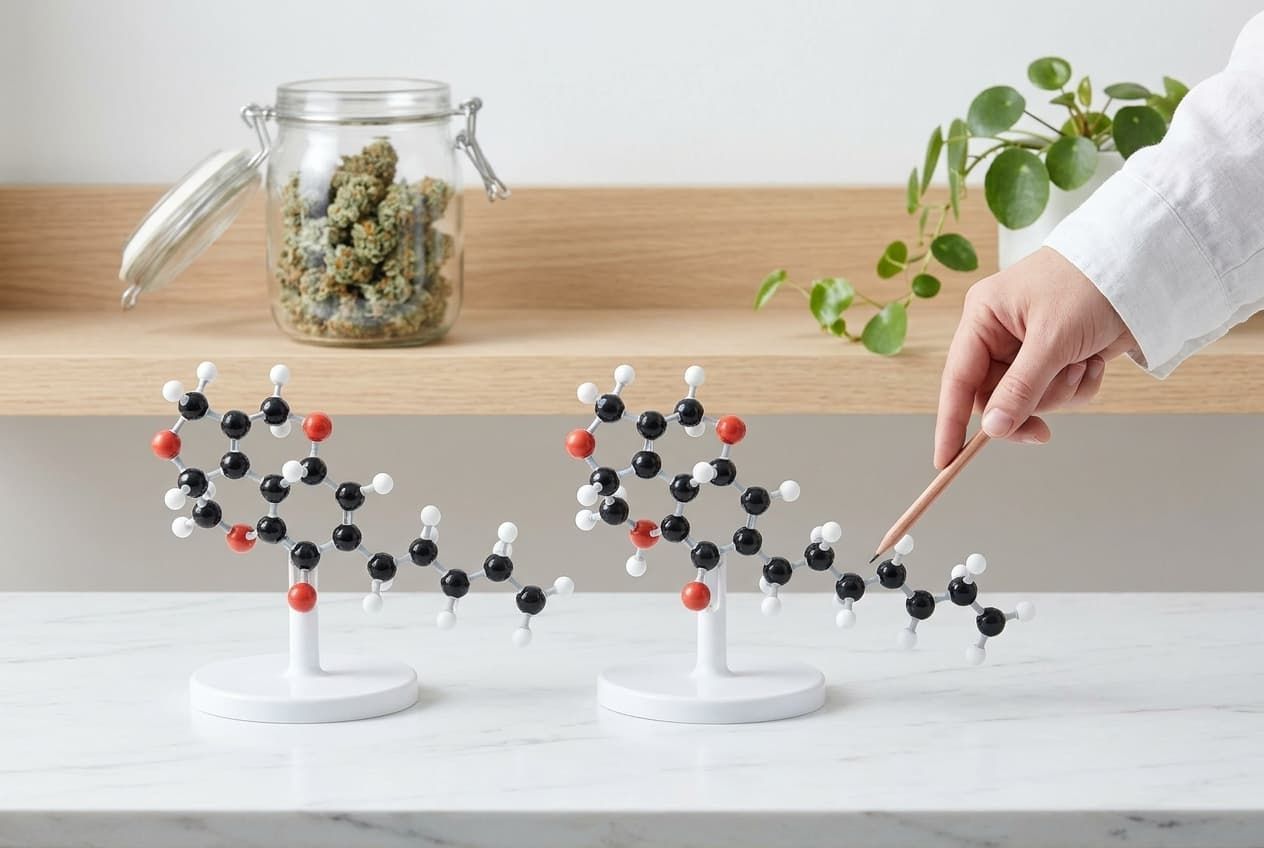
THCP vs THC comes down to one structural difference: THCP has a longer side chain, and in lab testing that appears to help it bind more tightly to the body’s CB1 receptors. What that means for a real person is far less clear, because human research on THCP is very limited.
If you’ve searched “what is THCP vs THC,” this guide covers what separates the two, what’s actually proven versus assumed, and what to check on a label before you buy either one. THC is the familiar, well-studied baseline. THCP is the newcomer. Neither one “wins.”
THCP vs THC at a Glance
| THC | THCP | |
|---|---|---|
| Side chain | 5 carbons (pentyl) | 7 carbons (heptyl) |
| First identified | 1960s | Reported in 2019 |
| Natural abundance | Abundant in cannabis | Trace amounts only |
| Research base | Decades of study | Very limited |
| Lab CB1 binding | Baseline | Reported significantly higher |
| Typical sources | Cannabis flower and extracts | Usually converted from other cannabinoids |
What Makes THCP Different From THC?
THCP vs THC comes down to one structural difference. THCP has a longer side chain, and that small change appears to affect how tightly it grips the body’s CB1 receptors.
Think of a receptor as a lock and a cannabinoid as a key. THC and THCP are built almost the same way, but THCP has a longer “tail” on its molecule, called the side chain. THC’s side chain has five carbon atoms. THCP’s has seven. In lab testing, that longer tail seems to let THCP fit more snugly into the CB1 receptor, the one most linked to THC’s psychoactive effects.
NOTE: When we say THC here, we mean delta 9 THC, the form found in most cannabis products. So comparing THCP vs delta 9 means comparing a newly identified compound to one with decades of human research behind it.
RELATED: THC Delivery in Sacramento: How It Works and What to Expect
Is THCP Stronger Than THC? Lab Data vs. Real-World Effects
On paper, maybe. In practice, nobody knows yet.
- What’s established: Lab studies suggest THCP binds CB1 receptors more strongly than THC does.
- What isn’t: Reliable human data on strength, duration, or safety. There are no large clinical studies showing how THCP effects compare to THC in people.
Personal reports vary because tolerance differs, product quality isn’t consistent, and many THCP products contain other cannabinoids that change the experience.
So does THCP get you high? It acts on the same receptors as THC, but research on its effects in people is thin, and most of what’s out there is personal accounts. Anyone claiming to know exactly how it will feel is getting ahead of the science.
Be wary of marketing too. Potency claims on THCP products often outrun the research, so don’t take a specific “times stronger than THC” promise at face value. Check the lab report instead.
Is THCP Synthetic? Where It Comes From
THCP occurs naturally in cannabis, but most of what’s on the market is made in a lab.
The plant produces only trace amounts of THCP. Because of that, most THCP products are made by converting other cannabinoids, such as CBD from hemp, into THCP through a chemical process.
That’s why “natural” and “synthetic” aren’t very useful labels here. The molecule is found in nature, but the product in your hand was likely made in a lab.
THC is a different story. It’s abundant in the cannabis plant and extracted directly. That’s part of why it’s so thoroughly studied, and why quality THC products are easy to find from licensed sources.
With THCP, it’s worth asking where a product comes from and how it was made. A conversion process can leave behind unwanted byproducts if it isn’t done carefully, so a brand that’s open about its sourcing and methods is a better bet than one that isn’t.
THCP vs THC Buyer’s Guide: Which One Makes Sense for You?
Whether you plan to buy THCP or stick with THC, there’s no universal answer, but there are some useful guidelines.
THC may be the better fit if:
- You value predictability
- You’re newer to cannabis
- You prefer products backed by decades of use and research
THCP may be worth exploring if:
- You’re an experienced user with a high tolerance
- You’re curious about newer cannabinoids
- You accept that much less is known about it
You may also see THCP vs delta 8 comparisons. Delta 8 is another alternative cannabinoid that shoppers weigh against THC, and like THCP, it is typically made by converting other cannabinoids and has a much smaller research base than delta 9 THC. The same label checks below apply to it.
What to check on any label, for either cannabinoid:
- A current certificate of analysis (COA): A third-party lab report showing what’s in the product and confirming it’s free of contaminants. If a brand can’t show you one, skip it.
- A licensed source: Licensing brings testing and compliance requirements that unregulated products don’t have to meet.
- Clear cannabinoid percentages: The label should tell you what’s in the product and how much.
- Transparent ingredient and extraction information: This matters most for converted cannabinoids like THCP.
Whichever you choose, start low and go slow. Give a new product time to take effect before you consider more, and be extra cautious with a cannabinoid that has limited research behind it.
RELATED: Why 25% THC Sungrown Flower Is Perfect for Everyday Use
THCP Vapes, Gummies, and Flower vs. THC Products
THC is available in just about every format: flower, vapes, edibles, concentrates, tinctures, and topicals. THCP is much narrower.
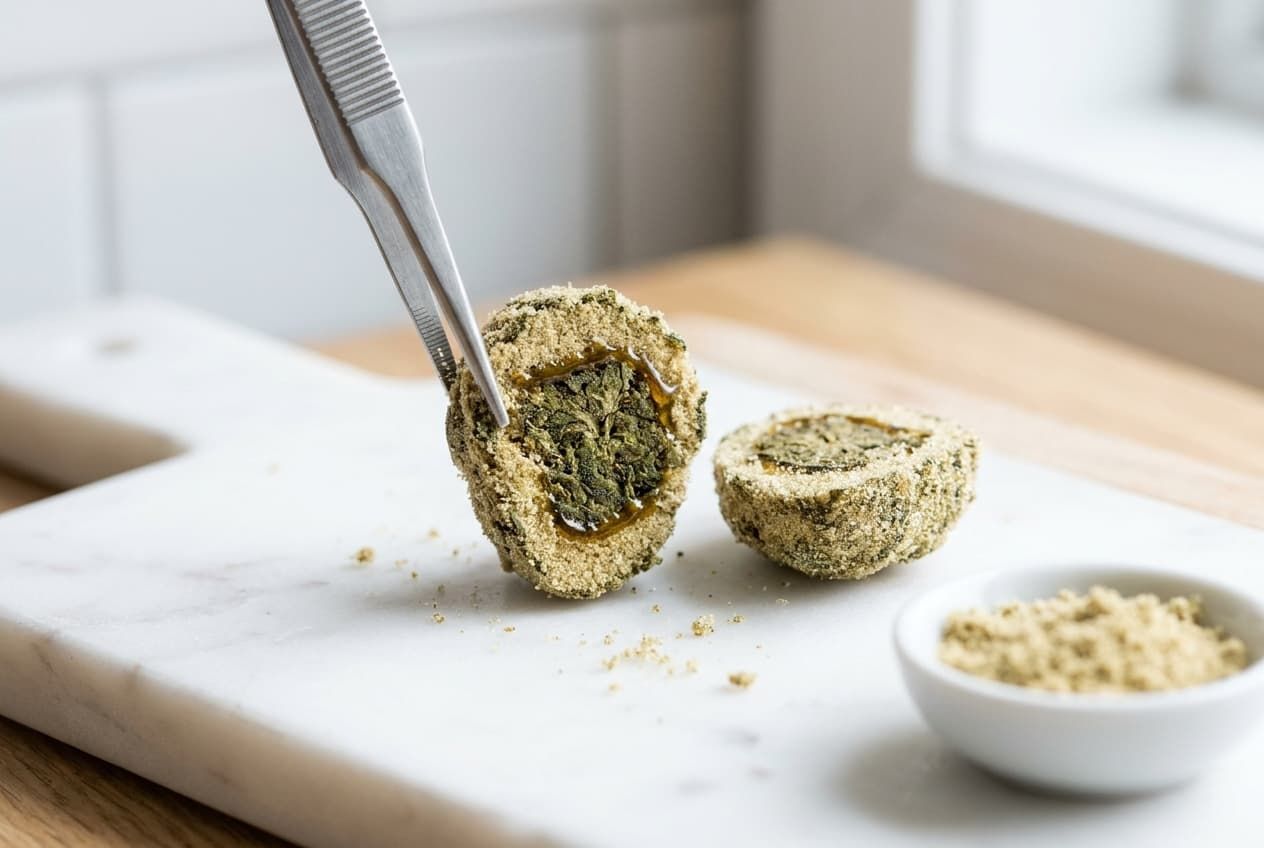
A THCP vape is one of the most common formats, typically a cartridge or disposable with THCP blended in. THCP gummies are the other common option, usually made with a measured amount of the cannabinoid. THCP flower exists too, but because the plant produces so little THCP naturally, it’s usually regular flower infused with added cannabinoid rather than a strain that’s naturally high in it.
Whatever the format, the same label checks apply. A THCP vape or a bag of THCP flower is only as trustworthy as the lab report behind it.
Is THCP Legal? What Sacramento Shoppers Should Know
The rules around hemp-derived and minor cannabinoids have been changing, and they vary from state to state. That makes blanket statements about THCP’s legality unreliable.
California’s licensed cannabis market has testing and labeling requirements that matter when you’re comparing products. Buying from a licensed source means the products on the shelf have been tested and labeled to state standards, which matters when you’re evaluating something as new as THCP.
The safest approach is to verify current California rules yourself and buy from licensed sources.
Bottom Line
THCP is intriguing but under-researched. THC is the well-understood baseline. Neither is an upgrade or a downgrade of the other. They’re different options with different levels of evidence behind them.
With either one, the smartest move is the same: buy tested products from licensed sources and read the COA. If you’d rather skip the dispensary trip, browse Fiori Delivery’s selection and get same-day delivery in Sacramento.
Frequently Asked Questions
Is THCP stronger than THC?
In lab binding studies, THCP appears to bind CB1 receptors more strongly. Human data is limited, so “stronger” hasn’t been established in practice.
Does THCP get you high?
THCP interacts with the same receptors as THC, but the research on its effects in people is limited. Experiences are mostly anecdotal.
Is THCP dangerous?
There isn’t enough research to define its safety profile. Anyone with a health concern should talk to a doctor first.
Is THCP synthetic?
It occurs naturally in trace amounts, but most commercial THCP is made by converting other cannabinoids.
THCA vs THCP: What’s the difference?
THCA is the raw, non-intoxicating precursor to THC. THCP is a separate cannabinoid with a longer side chain.
Is THCP legal in California?
Rules for minor cannabinoids vary and keep changing. See the legal section above, and stick with licensed sources.
Don't forget to return to your survey
and get your discount!
SHARE