Don't forget to return to your survey
and get your discount!
How To Extract CBD from Cannabis?
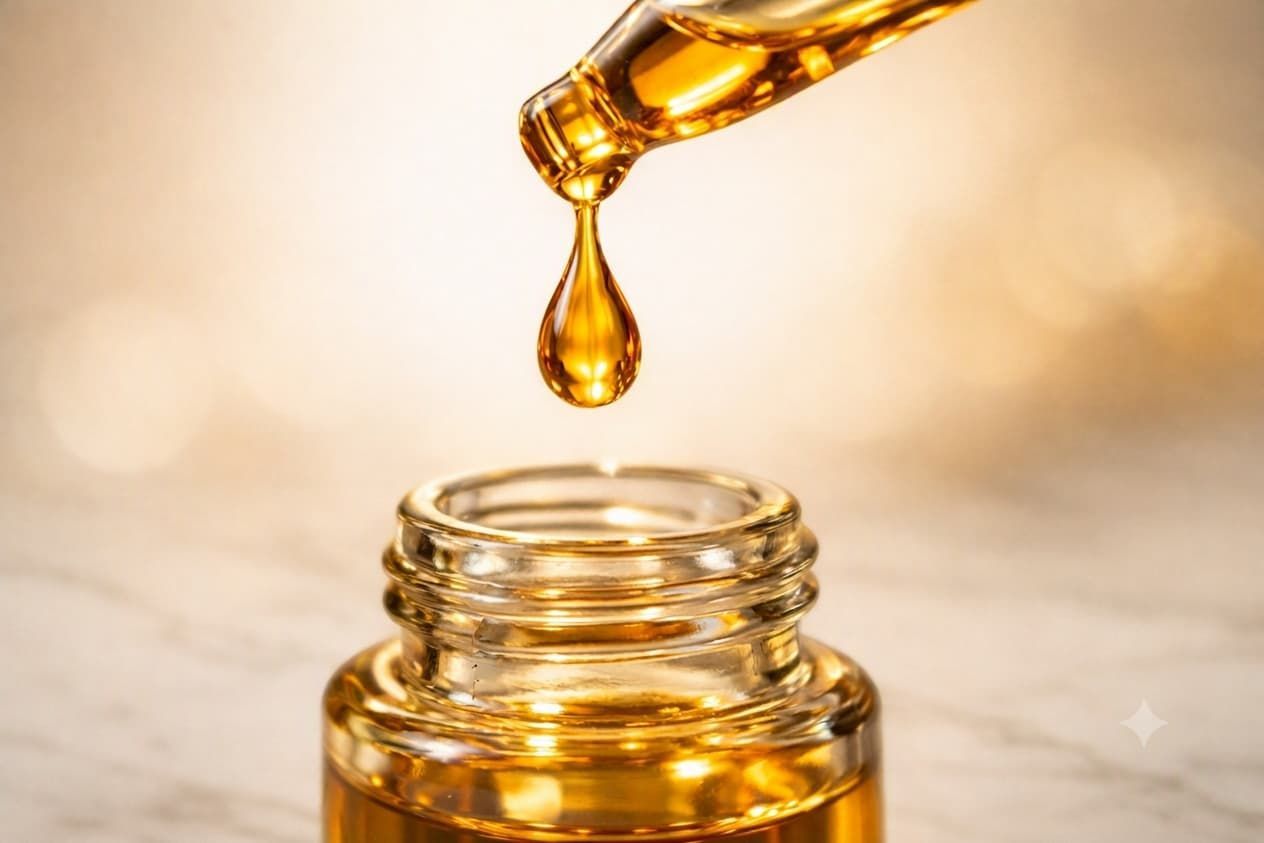
Every CBD product on the market starts with the same question: how do you get CBD out of the cannabis plant cleanly and effectively? The answer depends on the extraction method, and it matters more than most people realize.
CBD doesn't simply appear in a bottle. It has to be pulled from raw plant material through a deliberate process, and the way that process is carried out directly shapes the quality of what ends up in your tincture, capsule, or vape cartridge.
Understanding the basics of CBD extraction won't make you a chemist, but it will make you a smarter consumer, and that's worth a few minutes of your time.
Why the CBD Extraction Process Matters
Not all CBD products are created equal, and extraction is one of the main reasons why.
Different methods produce different levels of purity and potency. Some preserve the plant's natural terpenes (the aromatic compounds that contribute to flavor and may enhance therapeutic effects), while others strip them out in the process. Some leave behind trace residues that require additional refinement. Others produce a cleaner output from the start.
The point isn't that one approach is always superior and everything else is subpar. It's that the extraction method is a meaningful quality signal that helps you evaluate what you're buying with more confidence.
READ: Can You Smoke Weed Stems
2 Main CBD Extraction Methods
CO2 Extraction
CO2 extraction is considered the gold standard in commercial CBD production, and it earns that reputation. The process uses pressurized carbon dioxide as a solvent to pull cannabinoids, terpenes, and other compounds from the plant with exceptional precision.
Because no residual solvent is left behind, the output is clean from the start. CO2 also preserves terpenes well, which gives CO2-extracted products richer flavor profiles and stronger potential for the entourage effect, the idea that cannabinoids and terpenes work better together than any single compound alone.
The main downside is cost. The equipment required puts CO2 extraction out of reach for home use, but for consumers, a CO2-extracted label is a reliable indicator of quality.
Ethanol Extraction
Ethanol extraction is the most widely used method in large-scale CBD production, and it has earned that position for legitimate reasons.
The process is straightforward: cannabis plant material is soaked in food-grade ethanol, which strips out cannabinoids and terpenes. The liquid is then processed to remove the ethanol, leaving behind a concentrated extract.
Ethanol is efficient and scalable, but it is less selective than CO2. It can pull chlorophyll and other plant compounds into the mix, which means additional refinement is needed. Done correctly, though, the results are entirely comparable to CO2-extracted products. Quality comes down to how carefully the post-processing is handled.
Oil Infusion
Oil infusion is the oldest and most accessible of the three methods, and the most realistic option for home production.
Cannabis is decarboxylated first, then combined with a carrier oil (usually olive or coconut oil) and heated so the cannabinoids bind to the fats. No special equipment or solvents needed.
The tradeoff is concentration and shelf life. Oil-infused extracts are less potent than solvent-based alternatives and don't keep as long. Commercially produced CBD products rarely use this method, but understanding it adds useful context for why extraction technology matters.
READ: What's The Difference Between Live Resin, Rosin And Cured?
What Extraction Method Tells You About Product Quality
Knowing how CBD is extracted is useful, but it's only part of the picture. The extraction method sets a ceiling on quality without guaranteeing it. What actually separates a trustworthy product from a questionable one comes down to a few practical signals:
- Third-party lab testing (COA). A Certificate of Analysis from an independent lab confirms cannabinoid content, checks for residual solvents, pesticides, and heavy metals, and verifies that the product is what it claims to be. Any reputable CBD producer makes these available, and if they don't, that's worth noting.
- Clear labeling. Legitimate products disclose the extraction method, cannabinoid concentration, and ingredients. Vague or incomplete labeling is a red flag.
- Reputable sourcing. Where and how the cannabis or hemp is grown affects the quality of the raw material before extraction even begins.
The bottom line: CO2 and ethanol extraction both produce reliable products when done right. What matters most is whether the producer is transparent about how their products are made and tested.
Conclusion
The CBD extraction process might seem like a behind-the-scenes detail, but it directly shapes the quality of what ends up in the products you buy.
- CO2 extraction sets the bar for commercial production.
- Ethanol extraction scales efficiently and delivers quality results when handled well.
- Oil infusion makes CBD accessible at home, within its limits.
Now that you understand what goes into a quality CBD product, you can shop with confidence. Browse Fiori Delivery's selection of lab-tested CBD products and get same-day delivery across Sacramento.
Frequently Asked Questions
What is the best CBD extraction method?
For commercial products, CO2 extraction is generally considered the best. It's clean, precise, and preserves terpenes well. Ethanol extraction is a close second and is common in many high-quality products. For home use, oil infusion is the most practical option available.
Is CO2-extracted CBD better than other types?
CO2-extracted CBD tends to be purer with a better terpene profile, which is why it's often associated with premium products. That said, a well-processed ethanol extract can be just as good. The extraction label matters less than the lab results backing up the product.
Can you extract CBD from cannabis at home?
Yes. Oil infusion is something anyone can do at home with basic kitchen equipment. The result will be less concentrated than a commercially produced extract, but it's a legitimate method with a long history of use.
How do I know what extraction method was used in my CBD product?
Check the product label and the brand's website. Reputable producers disclose their extraction method. A Certificate of Analysis (COA) that shows no residual solvents is also a good indicator that the product was CO2-extracted or properly refined after ethanol extraction.
Where can I find quality CBD products in Sacramento?
Fiori Delivery carries a curated selection of lab-tested CBD products from licensed California brands, with same-day delivery across the Sacramento area. If you know what to look for now, shopping with confidence is a lot easier.
Don't forget to return to your survey
and get your discount!
SHARE