Don't forget to return to your survey
and get your discount!
Why Is The End of a Joint Called a Roach?
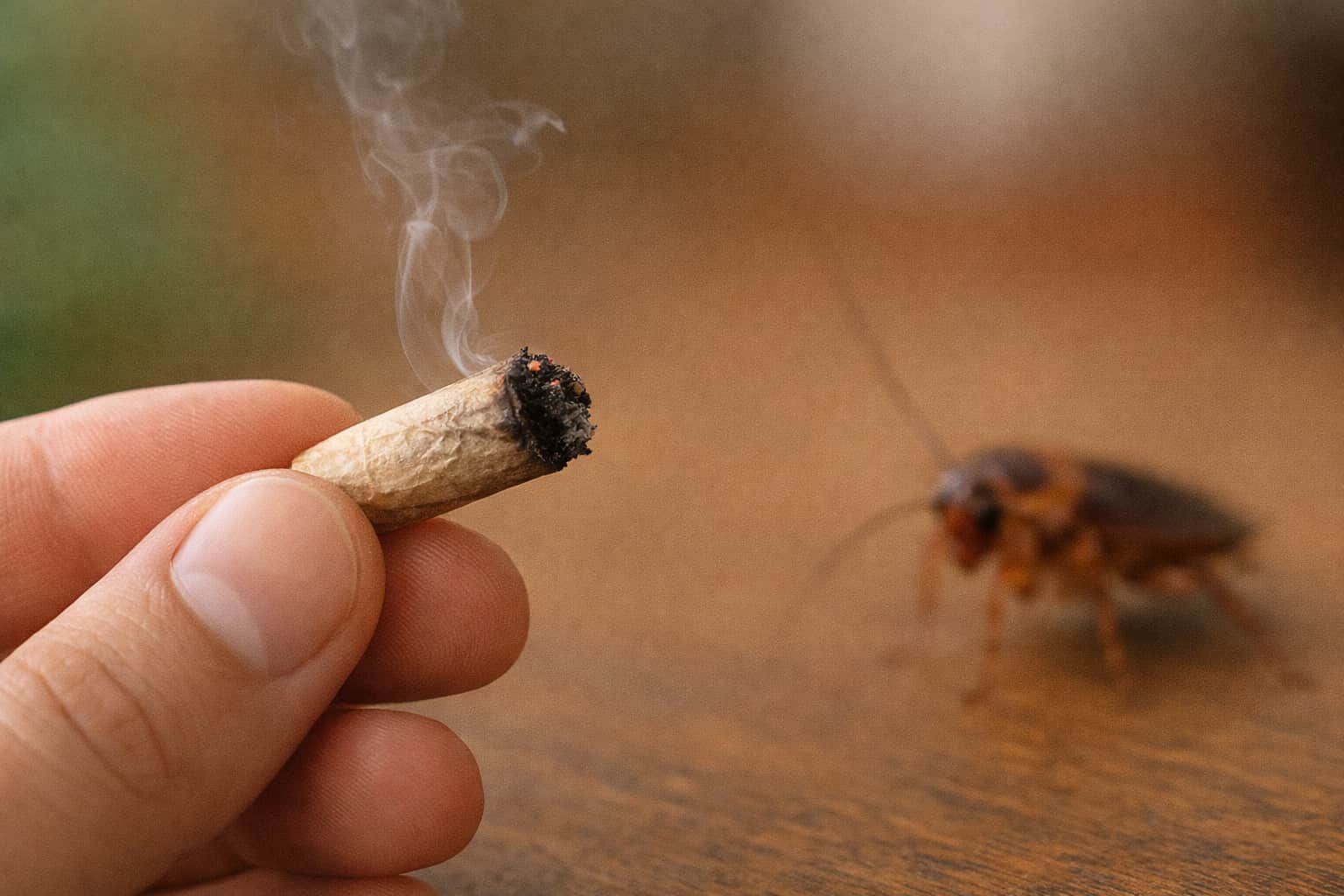
Why is the end of a joint called a roach? If you’ve ever finished smoking and been left holding a tiny, tightly packed end piece, you’ve probably heard the term used without a second thought. For longtime cannabis consumers, “roach” feels like second nature. For newer smokers, though, it can sound confusing or even a little off-putting.
Like most cannabis slang, the answer isn’t one neat dictionary definition. It’s a mix of old smoking habits, underground culture, and language that spread by word of mouth long before legalization made cannabis feel mainstream.
At Fiori Delivery, a weed delivery in Sacramento, we’re big on cannabis education because the little details matter. When you understand the language, you can navigate menus, products, and conversations with more confidence.
What Exactly Is a Roach?
In cannabis terms, a roach is the small end portion of a joint that’s left after most of it has been smoked. It’s usually too short to comfortably hold or smoke without burning your fingers, your lips, or both.
A roach isn’t the same as a filter tip (also called a crutch). A crutch is intentionally rolled into the joint to give it structure and make it easier to smoke down to the end. A roach weed is what’s left behind, especially when a joint is rolled without a filter. It’s often darker, tighter, and stickier than the rest of the joint because resin and tar collect as smoke passes through.
Depending on how the joint was rolled and how it was smoked, the roach can still contain some cannabis that didn’t fully burn. That leftover material (plus the resin buildup) is one reason some people save roaches, while others toss them as soon as the flavor turns harsh.
Where Did the Term “Roach” Come From?
There’s no single official moment where the cannabis community collectively voted and decided, “Yep, we’re calling it a roach.” Cannabis slang doesn’t work like that. It evolves in pockets, spreads socially, and sticks when it’s useful.
That said, there are a few widely accepted explanations:
It looks like one
The most common theory is simple: the end of a smoked joint often looks small, dark, and slightly twisted. In low light, it can resemble a cockroach shape-wise, especially when someone flicks it away or sets it down. The visual comparison is easy to understand, even if it’s not exactly flattering.
Tobacco slang influenced cannabis slang
Smoking culture overlaps. People who smoked cigarettes often used similar language to describe “butts” or end pieces, and cannabis terminology borrowed from the same world of rolling papers, hand-rolled smokes, and shared sessions.
Over time, “roach” became a recognizable shorthand within cannabis circles.
The term spread because it’s useful
“Roach” is a quick, universal label. Instead of saying “the last little piece of the joint,” you say “roach,” and everyone knows what you mean. That efficiency is exactly why slang survives.
Roaches and Earlier Cannabis Culture
To understand why the roach became a thing, it helps to think about the era when cannabis was harder to find, harder to afford, and riskier to buy.
When supply felt uncertain, people tended to waste less. Smoking a joint all the way down wasn’t just common, it was practical. The roach wasn’t seen as trash; it was still cannabis. Plenty of smokers saved roaches for later, especially if they were rolling on a budget.
That’s also how “roach culture” grew:
- Saving roaches for another smoke session
- Breaking roaches apart to pack into a pipe or bowl
- Rolling multiple roaches together into a second joint (often called a “roach joint”)
Even if you don’t personally save roaches, it’s easy to see how the habit shaped the language. When something becomes routine, it earns a name.
And joints remain very common in legal markets today, which helps keep the language alive. For example, one industry analysis found that pre-rolls captured 15.3% of total cannabis sales in the U.S. in a tracked period.
So even as products modernize, the joint is still a staple, and “roach” still has plenty of chances to show up in conversation.
Why People Still Use the Term Today
Even though more people now smoke filtered joints, buy pre-rolls, or switch to other formats, “roach” persists for a few reasons:
Language sticks longer than habits
Cannabis culture changes fast, but slang often stays. People still say “pass the joint” even when it’s a cone-style pre-roll with a crutch. “Roach” works the same way. It’s an old term that still communicates the idea instantly.
It’s part of shared cannabis identity
Cannabis has always had a cultural layer beyond the product itself. Using the same language as other smokers creates a sense of familiarity, especially in social settings.
The meaning has broadened
Some people use “roach” to mean the end of any joint, even one with a filter. In other words, the term has become more cultural than literal. It’s not always a technical label. It’s just what people say.
Roach vs. Filter Tip (Crutch): What’s the Difference?
A roach is what’s left at the end. A filter tip is something you add on purpose to improve the smoke.
Filter tips are usually made from:
- Folded paper or thin cardboard
- Pre-made tips designed for rolling
- Glass tips (popular for a smoother, reusable setup)
A filter tip helps by giving you:
- Better airflow
- A cleaner grip
- Less wasted flower
- Fewer “hot crumbs” or bits of plant material in your mouth
Roaches, on the other hand, are often harsher because of what’s happening at the burning end and what travels through the joint as it smolders.
One reason roaches can taste stronger and feel rougher is heat. Research on cigarette combustion shows that during puffing conditions, the burning coal can experience a rapid temperature rise up to about 900°C.
That’s part of why the end of a joint can feel intense: heat and concentrated byproducts build as the joint gets shorter, and the smoke has less distance to cool down before it reaches you.
Do Roaches Still Get You High?
They can, yes.
Roaches often contain a combination of:
- Residual cannabis that didn’t burn completely
- Resin and tar buildup from smoke passing through
- A stronger, more concentrated aroma and flavor (not always in a good way)
That resin-heavy character is why some people feel roaches “hit harder.” But the experience can be rough: the smoke is hotter, the flavor is more bitter, and the pulls can feel harsher on the throat.
This is also where personal preference matters. Some people love the stronger finish. Others stop early and avoid the roach altogether, especially if they’re focused on flavor and comfort.
Are Roaches Becoming Obsolete?
Roaches aren’t disappearing, but they’re less central to how many people smoke today.
Modern joints and pre-rolls often include filter tips, which means fewer “classic roaches” that are nothing but a burnt-down stub. People also have more options now: vapes, edibles, concentrates, and infused pre-rolls can shift consumption away from the old-school unfiltered joint.
Still, even if fewer people actively save roaches, the term isn’t going anywhere. It’s embedded in cannabis culture. It shows up in stories, jokes, and everyday conversation because it’s familiar and understood.
Conclusion
The end of a joint is called a roach because cannabis culture gave it a name that stuck. The term likely grew from a mix of visual resemblance, older smoking slang, and the practical reality that people used to smoke joints down to the very end and often saved what was left.
Today, roaches are less about scarcity and more about tradition. Whether you save them, avoid them, or just recognize the term, knowing what a “roach” is (and why it’s called that) gives you one more piece of cannabis culture that makes everything feel less mysterious.
Frequently Asked Questions
What is the end of a joint called?
The end of a joint is commonly called a roach. It refers to the small, leftover portion that remains after most of the joint has been smoked. The term is widely used in cannabis culture.
Are roaches more potent than the rest of the joint?
Roaches can feel stronger because resin and cannabinoids collect near the end as smoke passes through. However, they are not necessarily more potent by weight than fresh cannabis. The harsher effect comes from concentrated byproducts, not higher-quality THC.
What is the point of a roach in a joint?
A roach isn’t intentional and doesn’t serve a designed purpose. It forms naturally when a joint is smoked down without a filter tip. Historically, it allowed smokers to consume as much cannabis as possible.
What does it mean to roach a joint?
To roach a joint means to smoke it almost completely to the end. This usually results in a short, tightly packed stub. The phrase is informal slang used among smokers.
Why do some smokers save roaches instead of throwing them away?
Some smokers save roaches because they still contain usable cannabis and resin. Roaches can be re-smoked, added to a bowl, or combined into another joint. This habit comes from times when cannabis was harder to access.
Is a roach the same as a filter tip or crutch?
No, a roach is the leftover end of a joint, while a filter tip or crutch is added on purpose. A crutch improves airflow and makes the joint easier to smoke. A roach forms only after smoking.
Don't forget to return to your survey
and get your discount!
SHARE